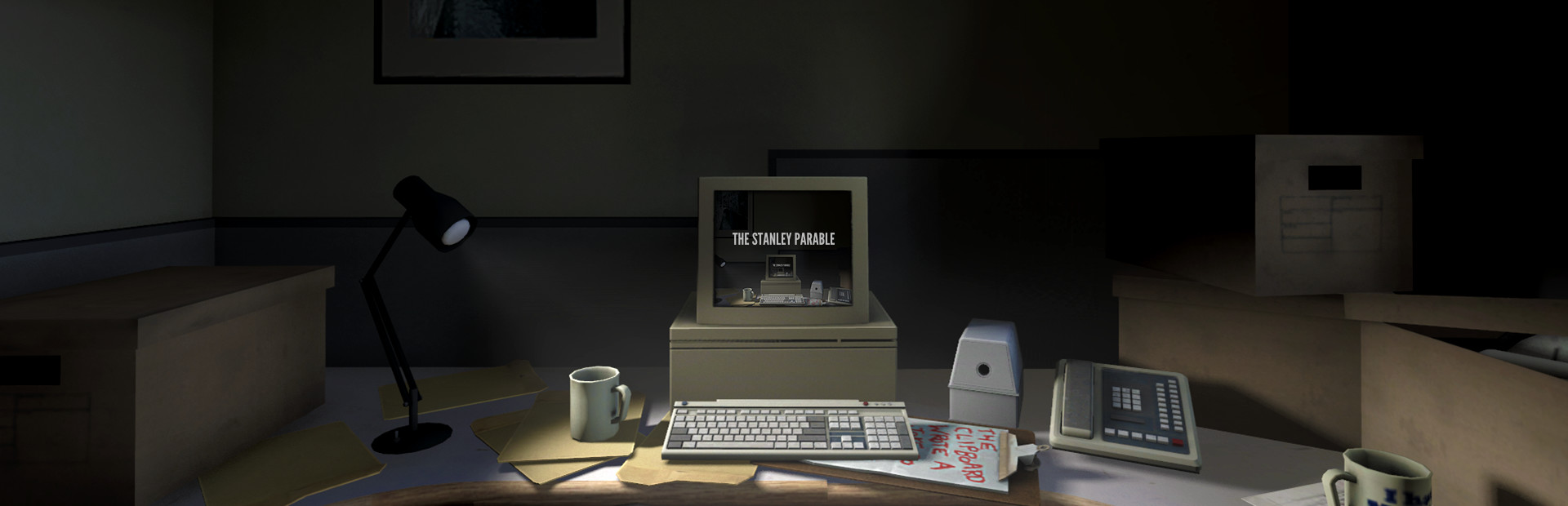
Can I Run The Stanley Parable on NVIDIA GeForce RTX 3070 Ti Laptop GPU?
Check if this GPU meets the system requirements for The Stanley Parable. Get FPS estimates and optimization tips.
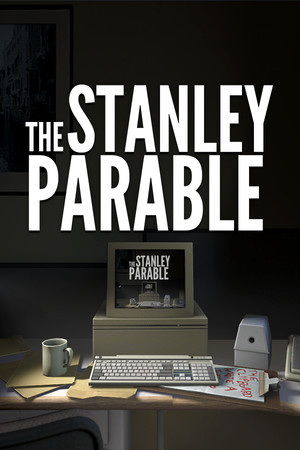
Can NVIDIA GeForce RTX 3070 Ti Laptop GPU run The Stanley Parable? This report projects 1080p Medium FPS from the GPU score, then compares NVIDIA GeForce RTX 3070 Ti Laptop GPU with the publisher minimum (Video card must be 128 MB or more and should be a DirectX 9-compatible with support for Pixel Shader 2.0b (ATI Radeon X800 or higher / NVIDIA GeForce 7600 or higher / Intel HD Graphics 2000 or higher - *NOT* an Express graphics card).) and recommended (not listed) graphics.
At 1080p Medium we estimate about 82 FPS average and 55 FPS 1% lows. NVIDIA GeForce RTX 3070 Ti Laptop GPU matches the publisher recommended GPU (not listed). This is a GPU-led projection with a typical mid-range CPU and 16 GB of RAM, not a live capture from your PC.
NVIDIA GeForce RTX 3070 Ti Laptop GPU
Estimated average FPS · 1080p Medium
82
FPS
This GPU should run the game well at 1080p Medium.
Avg FPS
82
1% Low
55
GPU load
87%
Stutter risk
Medium
NVIDIA GeForce RTX 3070 Ti Laptop GPU · 16 GB · 1080p · Medium · The Stanley Parable
FPS by resolution (Medium)
All settings presets 1080p
| Preset | Avg FPS | 1% low | GPU % | Stutter |
|---|---|---|---|---|
| Low | 119 | 80 | 87% | Medium |
| Medium | 82 | 55 | 87% | Medium |
| High | 56 | 37 | 91% | Medium |
| Ultra | 40 | 26 | 91% | Medium |
GPU vs publisher requirements
NVIDIA GeForce RTX 3070 Ti Laptop GPU matches the publisher recommended GPU, so Medium to High at 1080p is a realistic target.
Minimum GPU
Video card must be 128 MB or more and should be a DirectX 9-compatible with support for Pixel Shader 2.0b (ATI Radeon X800 or higher / NVIDIA GeForce 7600 or higher / Intel HD Graphics 2000 or higher - *NOT* an Express graphics card).
Recommended GPU
not listed
Min CPU: 3.0 GHz P4, Dual Core 2.0 (or higher) or AMD64X2 (or higher)
Min RAM: 2 GB RAM
Min storage: 3 GB available space
Bottleneck & smoothness
CPU · Moderate
Your GPU is ahead of your CPU. CPU-bound scenes (simulation, streaming, open worlds) may limit frame rates.
Playability
Good
Smoothness
PLAYABLE
Avg frame time
12.17 ms
Suggested target
60 FPS
What to expect
The Stanley Parable on NVIDIA GeForce RTX 3070 Ti Laptop GPU should feel smooth at 1080p Medium, with 1% lows near 55 FPS. 1440p Medium is around 48 FPS, and 4K Medium around 30 FPS.
We score NVIDIA GeForce RTX 3070 Ti Laptop GPU (82) against this title’s demand, then estimate average FPS, 1% lows, GPU load, and stutter risk. Real FPS still moves with drivers, patches, and scene complexity — treat this as a planning report, not a lab benchmark.
Settings optimizer
Aim for ~60 FPS: High at 1080p is a strong balance.
Upgrade path
NVIDIA GeForce RTX 3070 Ti Laptop GPU is a workable GPU for The Stanley Parable at 1080p. Spend upgrades on VRAM or a newer generation only if you want 1440p/4K or Ultra presets.
Personal PC check
This page is game plus GPU only. Add your CPU and RAM on the full check for a private, noindex result.
FAQ
Can I run The Stanley Parable on NVIDIA GeForce RTX 3070 Ti Laptop GPU?
This GPU should run the game well at 1080p Medium. NVIDIA GeForce RTX 3070 Ti Laptop GPU matches the publisher recommended GPU (not listed). This public estimate is game plus GPU only. A weaker CPU or 8 GB of RAM can drop FPS further.
What settings should I use on NVIDIA GeForce RTX 3070 Ti Laptop GPU?
Aim for ~60 FPS: High at 1080p is a strong balance.
Will NVIDIA GeForce RTX 3070 Ti Laptop GPU hit 60 FPS in The Stanley Parable?
Yes at 1080p Medium in this model (~82 FPS). Watch 1% lows (55) if you want competitive smoothness.
Does this page include my CPU and RAM?
No. This URL is game plus GPU so it can be indexed. For a personal CPU/RAM result use the full PC check — that page stays noindex.
How accurate is this The Stanley Parable GPU estimate?
We score NVIDIA GeForce RTX 3070 Ti Laptop GPU (82) against this title’s demand, then estimate average FPS, 1% lows, GPU load, and stutter risk. Real FPS still moves with drivers, patches, and scene complexity — treat this as a planning report, not a lab benchmark.