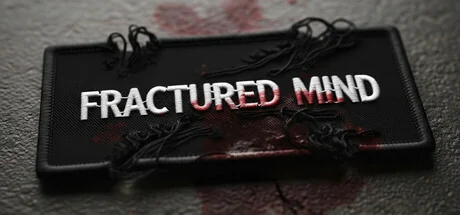
Fractured Mind
ACid
This is a PT inspired psychological horror game, with a bodycam style.
Systemanforderungen
Mindestanforderungen
Empfohlene Anforderungen
Über dieses Spiel
This is a PT inspired psychological horror game, with a bodycam style (shocking, I know, there aren't a lot of those lately...). It's ~25-35 minutes of gameplay. The full game will be over 1 hour, I don't know for sure the full length yet.
It's a fairly simple and straightforward game, with a heavy focus on atmosphere. There are also puzzles and shooting elements (which will be expanded upon in the full build).
The HUD is almost entirely non existent, with the exception of the crosshair which appears only when looking at interactable items.
There is no hand-holding in this game. While not difficult by any means, you do need to pay attention to some things.
Confidential Mental Health Evaluation Report
Patient Information:
Name: Michael [REDACTED]
SSN: [CLASSIFIED]
Date of Exam: [CLASSIFIED]
C-number: C-59251
Place of Exam: [CLASSIFIED]
Referral Reason:
Special Agent [REDACTED] was urgently referred for a comprehensive mental health evaluation following a critical incident during a [REDACTED] operation. His recent behavior during tactical operations has raised serious alarms. The purpose of this evaluation is to assess his psychological state, determine his fitness for duty, and recommend appropriate interventions.
Background:
Special Agent Michael [REDACTED], a seasoned tactical team leader at the young age of 28, has an illustrious service record marked by successful missions. However, recent events have profoundly affected him. His emotional well-being is at risk, and his performance has deteriorated.
Presenting Complaints:
Intrusive Thoughts and Nightmares:
Special Agent [REDACTED] experiences relentless guilt over perceived failures. He replays critical incidents in his mind, questioning every decision made.
Emotional Numbing and Alienation:
He has withdrawn emotionally, distancing himself from colleagues and friends. The camaraderie that once fueled his team now feels like a distant memory.
Hyperarousal and Hypervigilance:
His senses remain on high alert. Every crowded space triggers panic. He scans faces, searching for threats, unable to trust anyone.
Avoidance Behaviors:
Special Agent [REDACTED] avoids situations or stimuli associated with traumatic memories. His refusal to engage in certain activities jeopardizes mission success.
Startle Response:
A sudden noise—a dropped pen, a closing door—elicits an exaggerated startle response. His nerves are frayed, and his reactions are unpredictable.
Psychometric Assessment:
CAPS-5 (Clinician-Administered PTSD Scale for DSM-5):
Total Severity Score: 78 (indicating severe PTSD symptoms)
Re-experiencing: 24
Avoidance: 22
Hyperarousal: 32
Beck Depression Inventory-II (BDI-II):
Score: 45 (indicating severe depression)
Impact of Event Scale-Revised (IES-R):
Total Score: 68 (reflecting profound distress related to traumatic events)
Clinical Impression:
Special Agent Michael [REDACTED] is in crisis. His PTSD symptoms are incapacitating. His emotional detachment threatens team cohesion. His judgment is clouded by grief and self-blame.
Recommendations:
Immediate Relief Measures:
Psychoeducation: Educate Special Agent Michael [REDACTED] about PTSD, self-compassion, and grounding techniques.
Pharmacotherapy: Initiate SSRIs to alleviate symptoms.
Individual Therapy:
Trauma-Focused Cognitive-Behavioral Therapy (TF-CBT): Address guilt, distorted beliefs, and trauma processing.
Temporary Duty Restriction:
Field Duty Suspension: Special Agent Michael [REDACTED] must step back from active operations.
Peer Support and Critical Incident Stress Debriefing:
Connect him with peers who’ve faced similar trauma.
Long-Term Management:
Regular Follow-ups: Monitor progress and adjust treatment.
Fitness for Duty Reassessment: Periodic evaluations to determine readiness for return to duty.
Conclusion:
Agent's mental health is precarious. His resilience is tested, and redemption seems elusive. Urgent intervention is essential to prevent further deterioration.
Teile dein Spielerlebnis
Help other gamers! Share how this game runs on your setup, share tips, or ask questions.
Bestbewertete Spiele
Discover similar games you might enjoy based on genre and creator.





Haftungsausschluss
Die Spielinformationen, Bilder, Beschreibungen und Systemanforderungen, die auf dieser Seite angezeigt werden, stammen von Drittanbieterplattformen und sind nicht Eigentum von Can I Run It. Wir sind nicht mit den Spieleentwicklern, Publishern oder Distributoren verbunden, werden von ihnen nicht unterstützt und stehen in keiner Verbindung zu ihnen.
Can I Run It ist ein Systemkompatibilitäts-Prüfdienst, der Nutzern hilft festzustellen, ob ihre Hardware bestimmte Spiele ausführen kann. Wir verkaufen, vertreiben oder hosten keine Spielinhalte.
Alle hier erwähnten Marken, eingetragenen Marken, Produktnamen und Firmennamen oder Logos sind Eigentum ihrer jeweiligen Inhaber.
Wenn Sie der Meinung sind, dass angezeigte Inhalte Ihre geistigen Eigentumsrechte verletzen, kontaktieren Sie uns bitte unter [email protected] mit relevanten Details, und wir werden uns umgehend um Ihre Anliegen kümmern.